
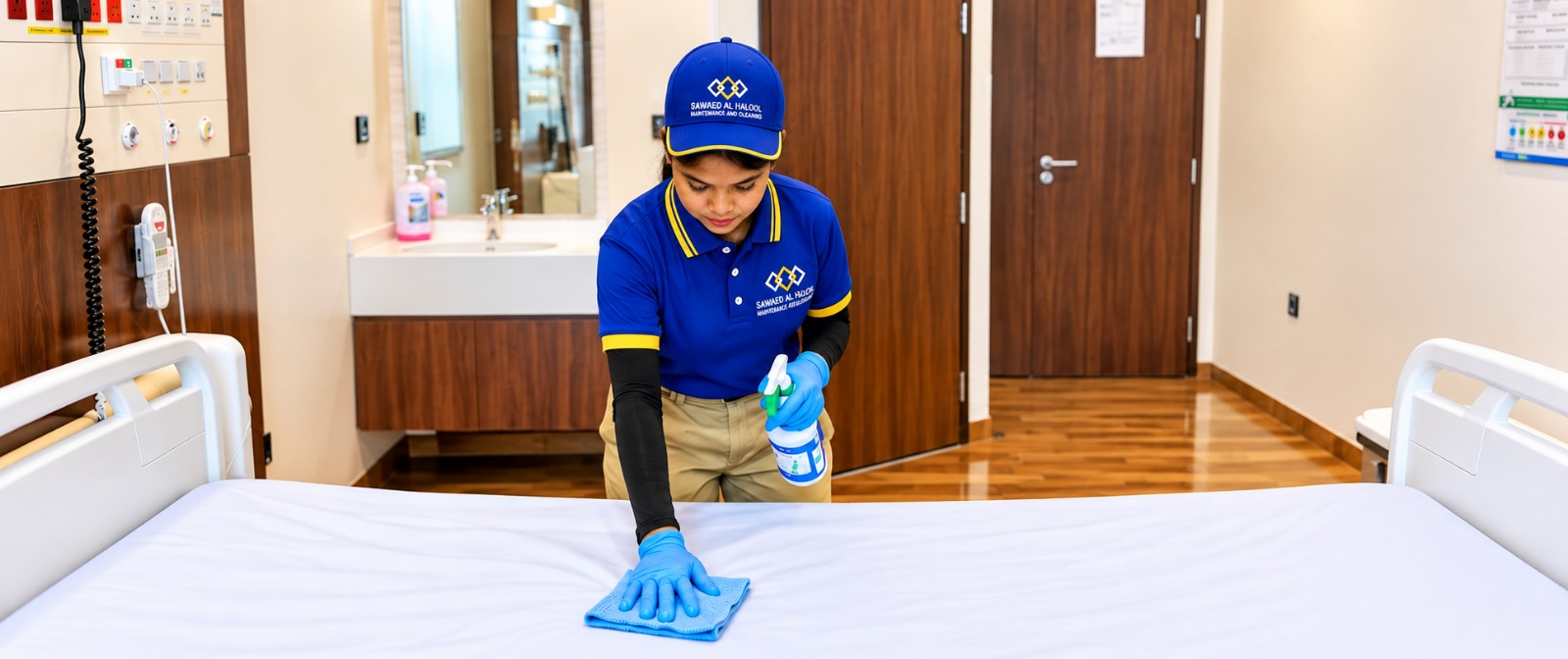
Hospitals need a very high standard of cleanliness, especially in areas where patients are most vulnerable. Intensive Care Units (ICUs) and operating theatres require careful cleaning because patients may have weakened immune systems, open wounds, or other health risks.
Professional ICU cleaning services are designed around strict procedures, trained staff, suitable cleaning products, and careful attention to high-touch areas. Operating theatres also need specialised cleaning before, between, and after procedures.
A strong cleaning programme is not simply about making a room look clean. It is about following a consistent process that supports infection prevention, protects patients and staff, and helps the healthcare facility maintain a safe environment.
Why ICU and Operating Theatre Cleaning Requires Special Care
ICUs and operating theatres are different from ordinary hospital rooms. They contain medical equipment, monitoring systems, specialised surfaces, and areas that may be difficult to clean.
Cleaning teams must understand how to work around these items without causing damage or interfering with clinical operations.
Key areas of concern include:
- Bed rails and patient areas
- Door handles
- Medical equipment surfaces
- Light switches
- Workstations
- Floors and walls
- Sinks and surrounding areas
- Frequently touched surfaces
- Doors and handles
- Waste collection areas
A detailed cleaning plan helps ensure that important areas are not missed.
ICU Cleaning Services: What Should They Include?
Effective ICU cleaning services should follow a clear schedule and defined procedures. The exact requirements may vary by hospital, patient needs, room design, and infection-control policies.
Cleaning High-Touch Surfaces
High-touch surfaces can receive frequent contact from healthcare workers, patients, and visitors. These may include bed rails, door handles, switches, work surfaces, and equipment controls.
Cleaning staff should follow the facility’s approved procedures for cleaning and disinfecting these areas.
Cleaning Around Medical Equipment
ICUs contain equipment that must be handled carefully. Cleaning teams should know which surfaces can be cleaned directly and which areas require special instructions from clinical or technical staff.
Equipment should never be moved or disconnected without appropriate authorisation.
Floors and Surrounding Areas
Floor cleaning should be performed using procedures appropriate for the healthcare environment. Cleaning should also be planned to reduce disruption to patients and medical staff.
Spills should be addressed promptly according to the hospital’s established protocols.
Operating Theatre Cleaning Protocols
Operating theatres require a highly controlled cleaning process. Cleaning may take place before the first procedure, between procedures, and after the operating schedule ends.
Operating theatre cleaning should be performed in accordance with the healthcare facility’s infection prevention and control procedures.
Before the First Procedure
Before procedures begin, the cleaning team may need to confirm that the theatre is clean and ready according to the facility’s approved checklist.
This can include appropriate cleaning of floors, surfaces, operating areas, and other designated parts of the theatre.
Between Procedures
Turnaround cleaning is important because operating theatres may be used for multiple procedures during the same day.
The team should follow the approved sequence for removing waste, cleaning surfaces, disinfecting suitable areas, and preparing the theatre for the next procedure.
After the Final Procedure
After the day’s procedures are complete, a more detailed cleaning process may be required.
This can include cleaning floors, surfaces, equipment exteriors, operating areas, and other designated parts of the theatre.
The exact procedure should always follow the hospital’s infection-control policies.
What Makes Sterile Cleaning Services Different?
Sterile cleaning services require more than general commercial cleaning knowledge. Healthcare cleaning teams need to understand the importance of controlled procedures and how their work fits into the hospital’s wider infection prevention programme.
A professional healthcare cleaning programme should include:
- Clear cleaning procedures
- Approved products
- Correct product use
- Appropriate contact times
- Proper cleaning equipment
- Staff training
- Personal protective equipment
- Cleaning schedules
- Quality checks
- Documentation
The goal is to make cleaning consistent and repeatable rather than dependent on individual habits.
Hospital Sanitation Services and Infection Prevention
Professional hospital sanitation services can support hospitals by maintaining cleaner patient-care and support areas.
Cleaning is only one part of infection prevention. Hospitals also need proper hand hygiene, waste management, equipment cleaning, ventilation, clinical procedures, and staff training.
Cleaning teams therefore need to work closely with hospital management and infection-control teams.
A good cleaning programme should clearly define:
- What needs to be cleaned
- How often it should be cleaned
- Which product should be used
- How the area should be prepared
- Who is responsible
- How completion is checked
Managing Medical Waste Safely
Medical waste requires special handling. Medical waste cleaning should not be treated like ordinary commercial waste collection.
Different types of healthcare waste may require different handling, storage, and disposal procedures. Cleaning personnel should follow the healthcare facility’s waste-management policies and applicable Saudi requirements.
Cleaning teams should also know how to respond if waste is incorrectly placed or if a spill occurs.
The priority should always be safety, correct segregation, and following the facility’s established procedures.
The Role of Medical Cleaning Contractors
Choosing experienced medical cleaning contractors is important because healthcare environments require more specialised procedures than ordinary offices or retail spaces.
Before selecting a contractor, hospital management should consider:
- Healthcare cleaning experience
- Staff training
- Cleaning procedures
- Quality-control processes
- Product management
- PPE requirements
- Documentation
- Ability to work around clinical schedules
- Understanding of infection-control requirements
A contractor should be able to work as part of the hospital’s wider team rather than operating separately from facility management and infection-control staff.
Clinic Cleaning Services
The same principles can apply to smaller healthcare environments.
Clinic cleaning services may include cleaning examination rooms, waiting areas, reception spaces, treatment rooms, washrooms, staff areas, and high-touch surfaces.
The cleaning plan should reflect the type of clinic and the level of patient contact.
A dental clinic, medical centre, diagnostic facility, and specialist clinic may each have different cleaning requirements.
Healthcare Cleaning Across Saudi Arabia
Healthcare facilities throughout Saudi Arabia need cleaning programmes that suit their facility, patient population, operating schedule, and local conditions.
Hospitals searching for hospital sanitation Jeddah services may need a programme designed around a large hospital environment and its daily patient flow.
Similarly, healthcare cleaning Dammam requirements may vary between hospitals, clinics, laboratories, and other healthcare facilities.
For organisations seeking medical facility cleaning in Makkah, the cleaning plan should be developed around the facility’s size, clinical activities, and infection-control requirements.
Hospitals looking for hospital cleaning services in Khobar should also evaluate the contractor’s healthcare experience, staff training, quality procedures, and ability to maintain consistent standards.
Cleaning Quality Checks Matter
A hospital cleaning programme should not rely only on visual inspection.
Quality checks can help identify missed areas and confirm that cleaning procedures are being followed. Depending on the facility, this may involve checklists, supervisor inspections, documentation, and other approved monitoring methods.
Regular reviews can also help identify recurring problems.
For example, if a particular area repeatedly requires additional attention, the hospital and cleaning contractor can review the cleaning schedule, workflow, equipment, or staff training.
How Sawaed Al Halool Supports Healthcare Cleaning
Sawaed Al Halool provides professional cleaning solutions for healthcare and other commercial environments in Saudi Arabia. Its approach focuses on customised cleaning programmes designed around the specific needs of each facility.
For healthcare organisations, professional cleaning requires more than routine surface cleaning. It requires consistent procedures, trained teams, quality monitoring, and an understanding of the environment being cleaned.
Sawaed Al Halool also offers specialised cleaning solutions and technology-supported quality processes. This can help healthcare facilities establish a structured cleaning programme while keeping the needs of patients, staff, and visitors in mind.
If your hospital, clinic, or healthcare facility needs professional cleaning support, Sawaed Al Halool can assess your requirements and develop a cleaning programme suited to your facility.
Looking for professional healthcare cleaning support? Contact Sawaed Al Halool to discuss your facility’s cleaning requirements and service needs.
Frequently Asked Questions
What are ICU cleaning services?
ICU cleaning services are specialised cleaning programmes for intensive care environments. They focus on controlled cleaning and disinfection procedures for patient areas, high-touch surfaces, floors, and other designated parts of the ICU.
How often should an operating theatre be cleaned?
Operating theatres may require cleaning before the first procedure, between procedures, and after the final procedure. The exact schedule and procedure should follow the hospital’s infection-control policies.
What is the difference between hospital cleaning and ordinary commercial cleaning?
Healthcare cleaning involves additional requirements because hospitals contain patients, medical equipment, clinical areas, and environments where infection prevention is especially important.
What are sterile cleaning services?
Sterile cleaning services refer to specialised cleaning approaches used in healthcare environments where strict hygiene and contamination-control procedures are required. The exact protocols depend on the facility and clinical area.
How should medical waste be handled?
Medical waste should be segregated, collected, stored, and disposed of according to the healthcare facility’s approved procedures and applicable regulations. Cleaning staff should receive appropriate training.
Why should hospitals use medical cleaning contractors?
Experienced medical cleaning contractors understand that healthcare facilities require specialised cleaning procedures, trained personnel, appropriate products, PPE, documentation, and quality checks.
Do clinics need specialised cleaning services?
Yes. Clinics can benefit from cleaning programmes designed around patient flow, treatment areas, examination rooms, waiting areas, and frequently touched surfaces.
How can a hospital improve cleaning quality?
Hospitals can improve cleaning quality through clear procedures, staff training, suitable equipment and products, regular inspections, documented schedules, and ongoing communication between cleaning and infection-control teams.